Expert Mold Remediation for Data Centers in Rockledge
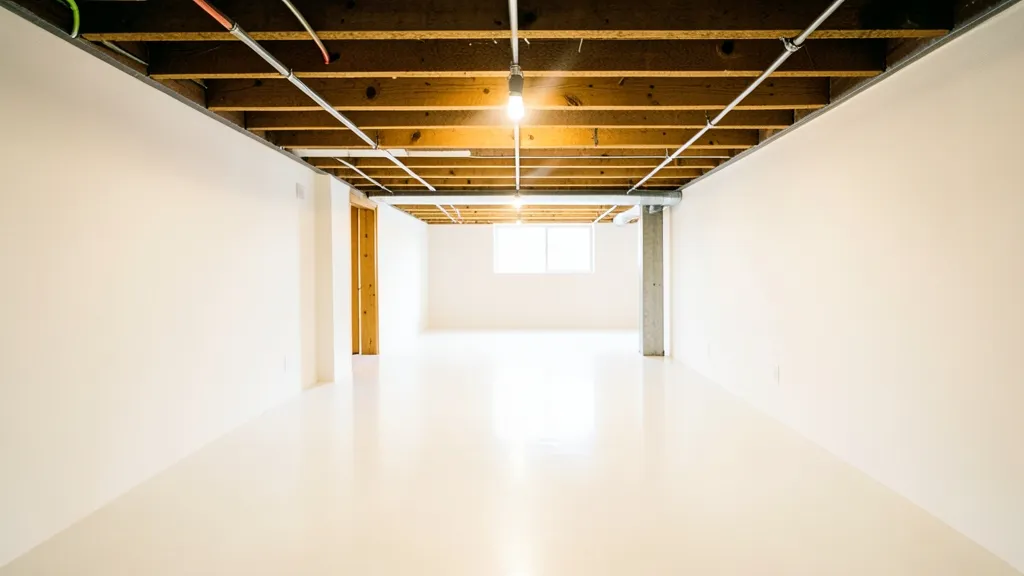
Data centers demand zero tolerance for mold. Even microscopic spores can compromise sensitive equipment, corrupt data, and trigger costly downtime. Our team specializes in precision mold remediation tailored to Rockledge’s high-humidity environment and the unique challenges of server rooms, crawl spaces, and attics in commercial facilities.
Why Data Centers Are High-Risk for Mold Growth
Server rooms generate heat, and improper HVAC balancing creates condensation hotspots. Rockledge’s subtropical climate exacerbates this, especially in older facilities with poor vapor barriers.
Hidden mold thrives in raised floors, behind racks, and in crawl spaces. Aspergillus and Penicillium species are common culprits, releasing spores that degrade air quality and corrode metal components over time.
Undetected leaks from cooling systems or roof penetrations can saturate drywall or insulation. Without rapid water damage restoration, mold colonies establish within 48–72 hours.
The Cost of Ignoring Mold in Critical Infrastructure
Mold doesn’t just damage hardware—it can void coverage. Manufacturers often exclude protection for corrosion or failure linked to poor environmental controls.
Downtime for remediation in active data centers can exceed six figures per hour. Proactive air quality testing and moisture monitoring are far cheaper than unplanned shutdowns.
Health risks to staff include respiratory irritation and allergic reactions. OSHA and EPA guidelines mandate swift action when mold is detected in commercial spaces.
Mold in data centers can double in size every 24–48 hours under ideal conditions. Delaying remediation escalates both damage and cost.
Our Data Center Mold Remediation Process
We begin with a non-invasive mold inspection using thermal imaging and borescopes to pinpoint moisture without disrupting operations. Air quality testing identifies spore types and concentrations.
Containment is critical. We deploy negative air pressure systems with HEPA filtration to prevent spore migration to clean zones. All work adheres to IICRC S520 standards for commercial mold remediation.
For server rooms, we use dry-ice blasting or HEPA vacuuming to remove mold from sensitive equipment without water or abrasives. Affected drywall or insulation is removed and replaced with mold-resistant materials.
Containment vs. Full Remediation: Key Differences
Not all mold issues require a full teardown. Localized contamination in a single rack or under a raised floor may only need targeted containment and cleaning.
| Approach | Scope | Downtime | Best For |
|---|---|---|---|
| Containment | Isolated area (e.g., one rack, crawl space section) | Minimal (hours) | Small, contained colonies; early detection |
| Partial Remediation | Multiple zones (e.g., server row + adjacent wall) | 1–3 days | Moderate spread; no structural damage |
| Full Remediation | Entire room or floor; structural repairs | 3–7+ days | Widespread infestation; water-damaged materials |
Moisture Control: The Long-Term Solution
Rockledge’s humidity averages 75–90% in summer. Data centers must maintain relative humidity below 60% to inhibit mold. We install industrial dehumidifiers and monitor with IoT sensors.
HVAC upgrades often include dedicated outdoor air systems (DOAS) to separate latent and sensible cooling loads. This prevents condensation on ducts and coils, a common mold trigger.
Regular crawl space and attic inspections are non-negotiable. These areas act as moisture reservoirs, feeding spores into the data center via air handlers or gaps in vapor barriers.
Moisture Control Checklist for Data Centers
- Calibrate humidity sensors to ±3% accuracy
- Inspect vapor barriers in crawl spaces and attics quarterly
- Service HVAC condensate drains monthly
- Seal all cable penetrations and gaps in raised floors
- Conduct thermal imaging scans biannually
Special Considerations for Rockledge Facilities
Coastal proximity means salt air accelerates corrosion. We use anti-microbial coatings on metal surfaces and specify stainless-steel fasteners for remediation builds.
Hurricane season brings water intrusion risks. Post-storm, we prioritize water damage restoration to prevent secondary mold growth in walls or under flooring.
Nearby areas like Cocoa, Melbourne, and Viera share similar climate challenges. Our team extends these specialized services across Brevard County, including commercial mold remediation for offices and industrial sites.
Before hurricane season, test backup generators and ensure sump pumps are operational. A 30-minute power outage can allow humidity to spike dangerously.
Compliance and Documentation for Critical Systems
Data centers often fall under strict regulatory frameworks. We provide detailed remediation reports with spore counts, moisture maps, and before/after air quality testing results.
For healthcare or financial data centers, we align with HIPAA or GLBA requirements, ensuring chain-of-custody for removed materials and secure disposal of contaminated debris.
Insurance claims for mold damage require meticulous documentation. Our reports include photos, moisture readings, and third-party lab analyses to expedite approvals.
How to Inspect Your Data Center for Hidden Mold
Early detection saves time and money. Follow these steps to identify potential mold risks before they escalate.
- 1Check for Musty Odors
Mold often produces a distinct, earthy smell. Pay attention to areas near HVAC vents, under raised floors, or behind equipment racks.
- 2Look for Visual Signs
Discoloration on walls, ceilings, or insulation—especially black, green, or white streaks—indicates active or past mold growth. Use a flashlight to inspect dark corners.
- 3Monitor Humidity Levels
Use a hygrometer to measure relative humidity. Readings above 60% in server rooms or crawl spaces signal a high risk for mold.
- 4Inspect for Water Intrusion
Check for stains, peeling paint, or warped materials near pipes, roofs, or windows. Even small leaks can fuel mold behind walls.
- 5Review HVAC Performance
Condensation on ducts or uneven cooling suggests poor airflow, a common precursor to mold. Ensure filters are clean and drains are clear.
- 6Schedule Professional Testing
If you suspect mold, request a quote for air quality testing. Lab analysis identifies spore types and concentrations, guiding targeted remediation.
Frequently Asked Questions
How quickly can mold spread in a Rockledge data center?
In Rockledge’s humid climate, mold can begin growing within 24–48 hours of water exposure. Without intervention, colonies can cover large areas within a week, especially in poorly ventilated spaces like crawl spaces or behind server racks.
Can mold damage server hardware permanently?
Yes. Mold corrodes circuit boards, degrades insulation, and clogs vents, leading to overheating and failure. Even after cleaning, residual spores can cause long-term issues if moisture isn’t controlled.
Is mold remediation in a data center more expensive than in a home?
Typically, yes. Data centers require specialized containment, HEPA filtration, and often after-hours work to avoid downtime. Costs depend on the scope, materials affected, and whether structural repairs are needed. Request a quote for an accurate assessment.
Do you serve data centers in Cocoa or Melbourne as well?
Absolutely. Our commercial mold remediation services extend across Brevard County, including Cocoa, Melbourne, Viera, Cocoa Beach, and Merritt Island. We’re familiar with the unique challenges of each area’s climate and infrastructure.
What’s the difference between mold testing and mold inspection?
A mold inspection is a visual and physical assessment to identify moisture sources and visible mold. Mold testing involves air or surface sampling, sent to a lab to quantify spore types and concentrations. Both are critical for data centers, where hidden mold poses the greatest risk.
How can we prevent mold after remediation?
Implement a moisture control plan: maintain humidity below 60%, upgrade HVAC systems, seal gaps, and schedule regular inspections. We also offer crawl space and attic mold remediation to address common problem areas proactively.